
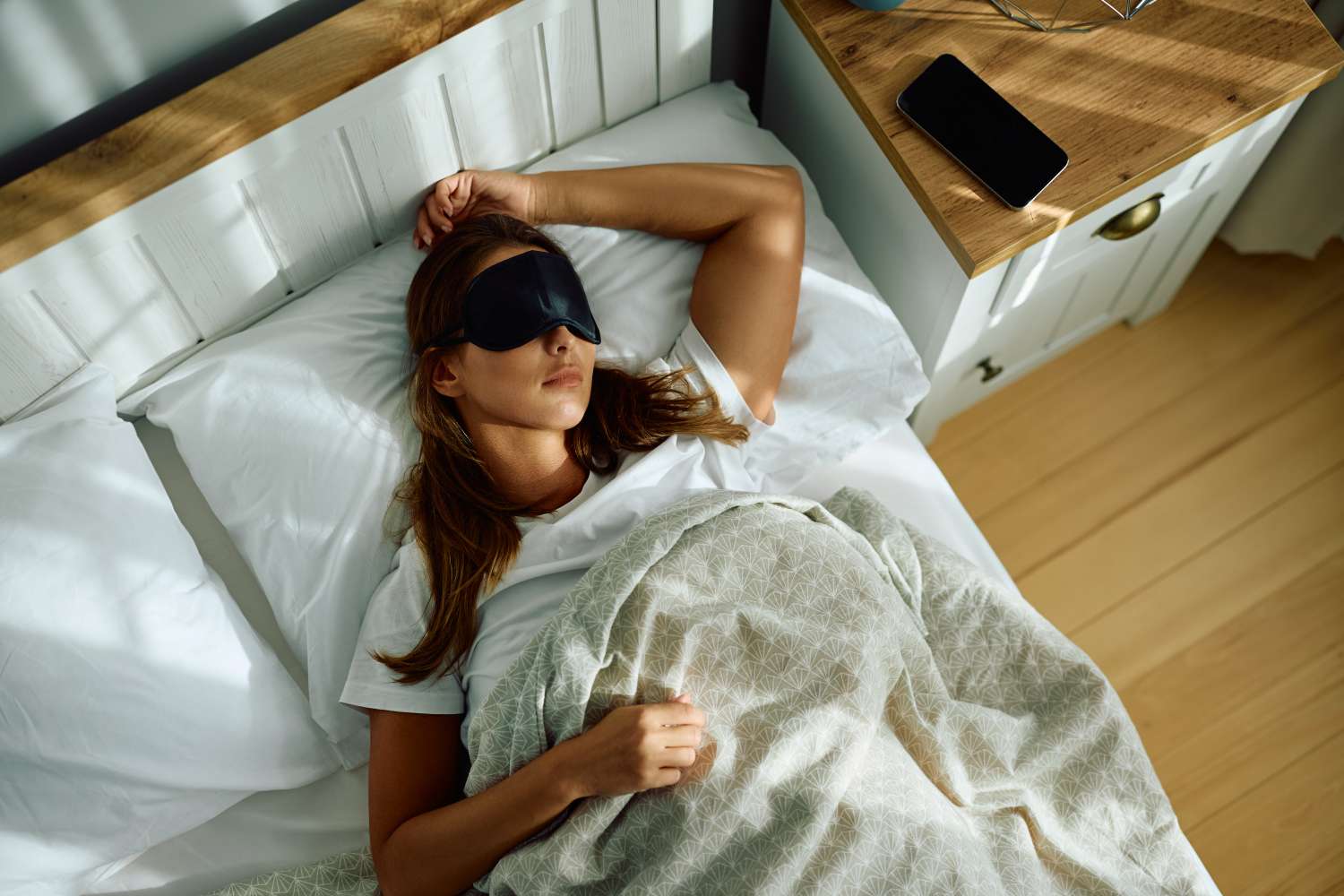
Sleep is one of the most important parts of our health, affecting mood, focus, energy levels, and overall wellbeing. Recently, a new trend called sleepmaxxing has appeared on social media, especially TikTok, promising to help people get deeper and more restful sleep. But what exactly is sleepmaxxing, which techniques actually work, and what should you avoid? In this article, we break down the key ideas behind sleepmaxxing, share expert-backed tips for better sleep, and explain the risks of becoming too obsessed with perfect rest.
What Is Sleepmaxxing?
Sleepmaxxing refers to a set of practices aimed at optimizing both sleep quality and sleep duration. It combines lifestyle adjustments, bedtime routines, gadgets, supplements, and environmental changes to help people fall asleep faster, sleep more deeply, and wake up feeling refreshed. The term has become popular through short videos and wellness posts online where users share their sleep routines and tools.
Unlike traditional sleep hygiene — which focuses on basic healthy sleep habits — sleepmaxxing often includes extra tips, hacks, and technologies that don’t always have scientific support. Some are beneficial, others are harmless, and a few can even be risky.
Popular Sleepmaxxing Techniques
Here are some of the most commonly shared sleepmaxxing methods and expert insights on their effectiveness:
1. Better Sleep Environment
Creating a calm, dark, and cool bedroom helps your body prepare for rest. A cooler room temperature can support your natural drop in body heat that triggers sleep.
2. Limiting Blue Light Before Bed
Screens emit blue light that can disrupt the production of melatonin, the hormone that controls sleep signals. Reducing screen time an hour before bed can improve sleep onset.
3. White Noise or Peaceful Sounds
Many people find that white noise machines or constant background sound can help block disturbing noises and make it easier to fall asleep. However, quiet environments also work well for others — this depends on personal preference.
4. Melatonin and Supplements
Melatonin supplements can be helpful in some situations, like adjusting to new sleep schedules or dealing with jet lag, but they aren’t a guaranteed fix for chronic sleep problems. Always consult a healthcare professional before long-term use.
5. Weighted Blankets
Weighted blankets can create a gentle, calming pressure that many people find relaxing and helpful for falling asleep. They may also support reduced anxiety.
6. Body Hacks (Not Always Recommended)
Some more extreme techniques shared online — like mouth taping or pineal gland meditation — are not supported by strong scientific evidence and can be unsafe, especially for people with conditions like sleep apnea. Experts caution against using them without medical advice.
Benefits of Prioritizing Good Sleep
When done right, improving your sleep can offer real advantages:
- Better mood and emotional balance
- Improved memory and focus
- Stronger immunity and physical health
- Higher daily energy and productivity
- Reduced risk of chronic diseases related to poor sleep
Potential Drawbacks of Sleepmaxxing
While paying attention to sleep health is good, going to extremes can have downsides:
Obsessive Behavior & Anxiety
Focusing too much on achieving the “perfect” night’s sleep — especially by tracking every metric with apps or wearable devices — can cause sleep anxiety. This stress may make it harder to sleep at all.
Relying Too Much on Hacks
Some sleepmaxxing practices — especially unverified gadgets or techniques — might not actually improve sleep and could even disrupt natural sleep patterns.
Ignoring Underlying Issues
Trouble sleeping can be a sign of deeper health concerns like stress, anxiety, or sleep disorders. Fixating on trendy tips instead of addressing the root cause may delay proper help.
Expert Tips for Safe and Effective Sleep
To improve your sleep without becoming overwhelmed by trends:
- Keep a consistent sleep schedule — go to bed and wake up at the same time every day.
- Avoid caffeine late in the day.
- Create a comfortable sleep environment.
- Wind down before bed with relaxing routines.
- Seek professional help if you consistently struggle to sleep well.
Frequently Asked Questions (FAQs)
1. Does sleepmaxxing guarantee better sleep?
Not always — some practices improve rest, but others are unproven or risky.
2. Is using white noise good for everyone?
Some people benefit from it, while others prefer silence — it depends on personal preference.
3. Can sleep trackers help?
They can offer insights, but obsessing over numbers can make sleep worse.
4. Are supplements safe for improving sleep?
Melatonin and magnesium may help, but consult a doctor before regular use.
5. What is the best way to improve sleep naturally?
Follow consistent sleep habits and create a calm bedtime routine.
Conclusion
Sleepmaxxing has popularized the idea of maximizing sleep quality and quantity, but not every hack is helpful or backed by science. While some methods like managing light exposure, calming your environment, and forming healthy bedtime habits can help, others lack evidence and may even carry risk. The best approach to better sleep is a balanced routine that supports your body’s natural rest cycle — without pressure to be perfect. If sleep problems continue, talking with a healthcare professional is the safest choice.



Leave a Reply